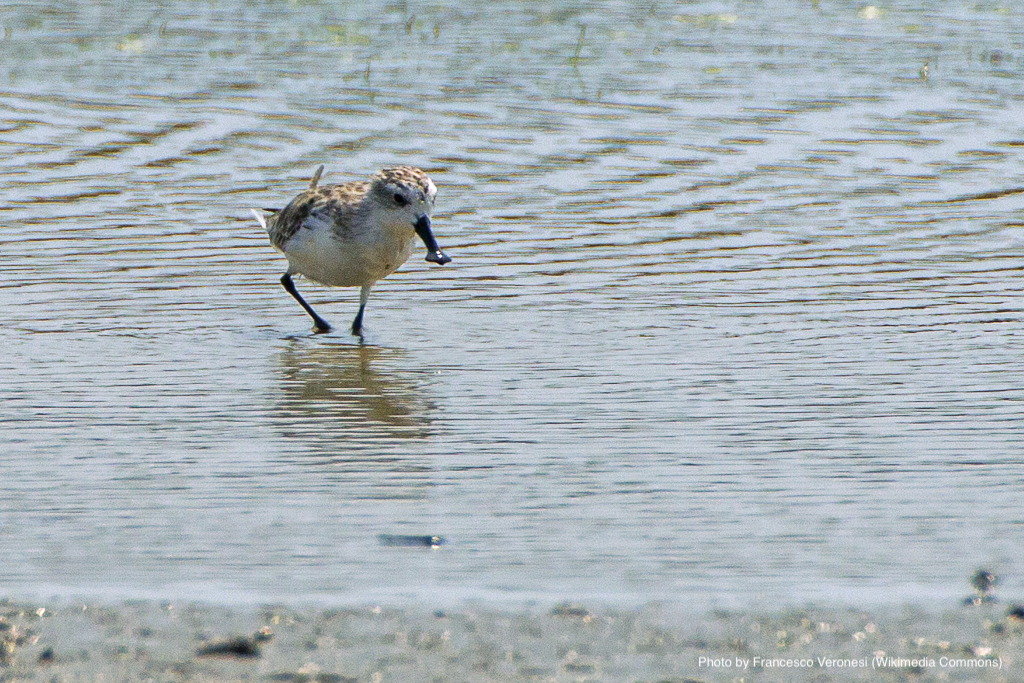
Why does Pak Thale, on Thailand’s Gulf coast, draw thousands of migratory birds – including the Critically Endangered Spoon‑billed Sandpiper – to pause on their epic journeys across the East Asian-Australasian Flyway?
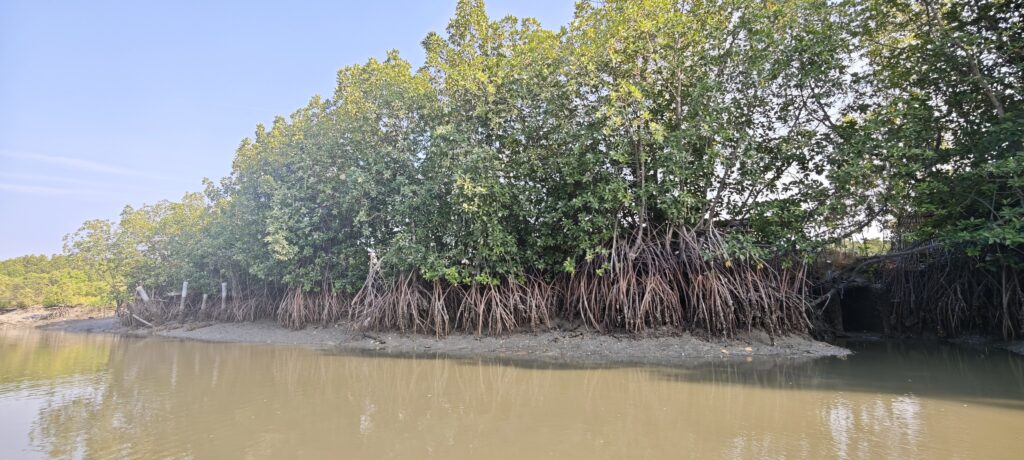
How do shimmering salt pans, mangroves, and mudflats sustain both centuries‑old livelihoods and the biodiversity of a globally important wetland?
What pressures loom over these fragile ecosystems – and how can communities and conservationists respond?
Walk alongside NSS and the Bird Conservation Society of Thailand (BCST) to explore questions, not just answers. Discover how migratory birds, resilient livelihoods, and the community’s relationship with nature converge at one of the flyway’s most critical wetlands.
Read more about BCST and their work in Pak Thale in this BirdLife article.
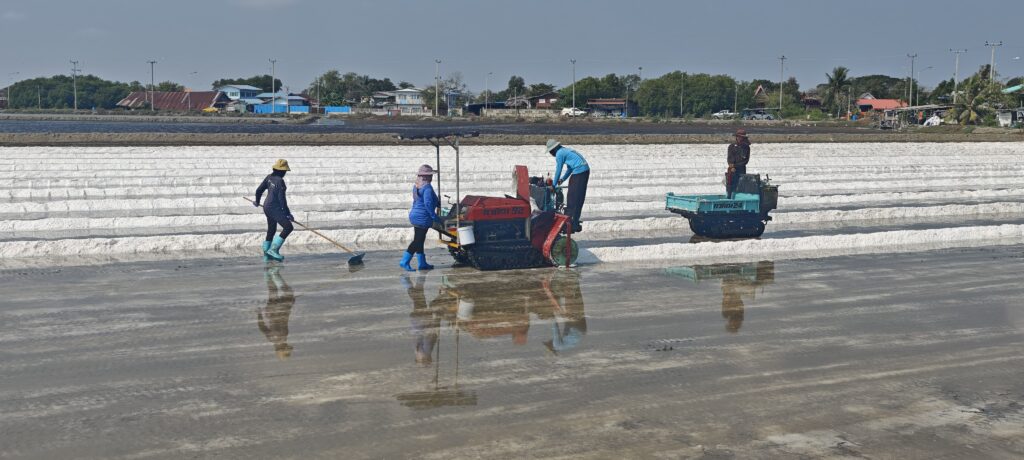
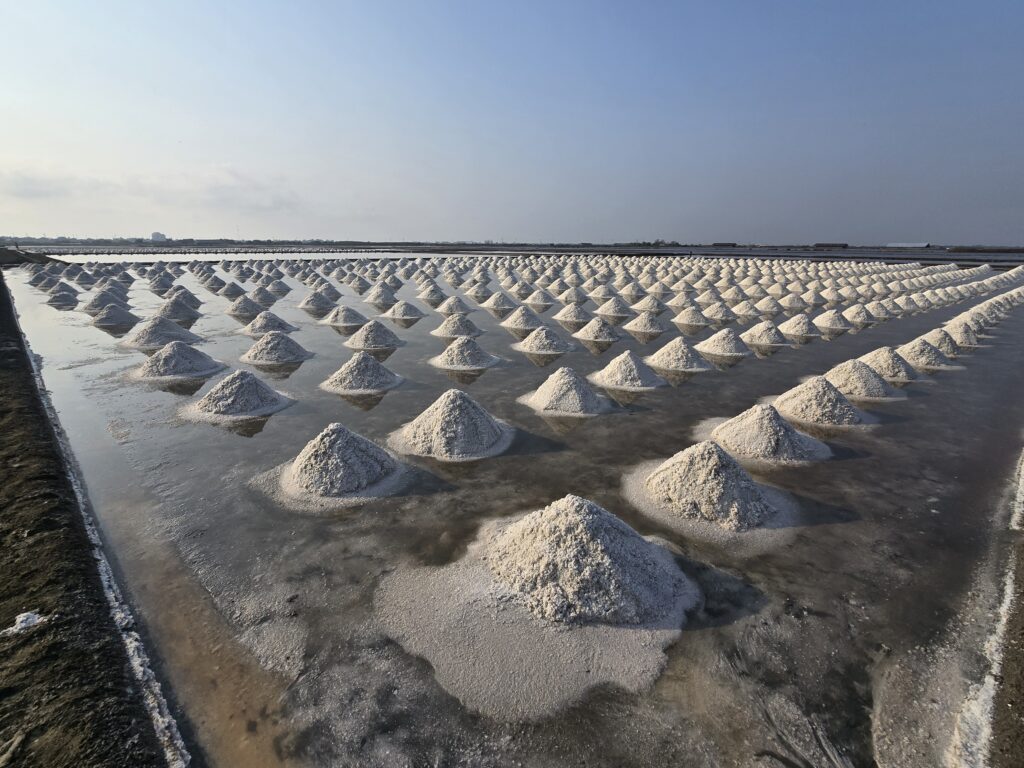
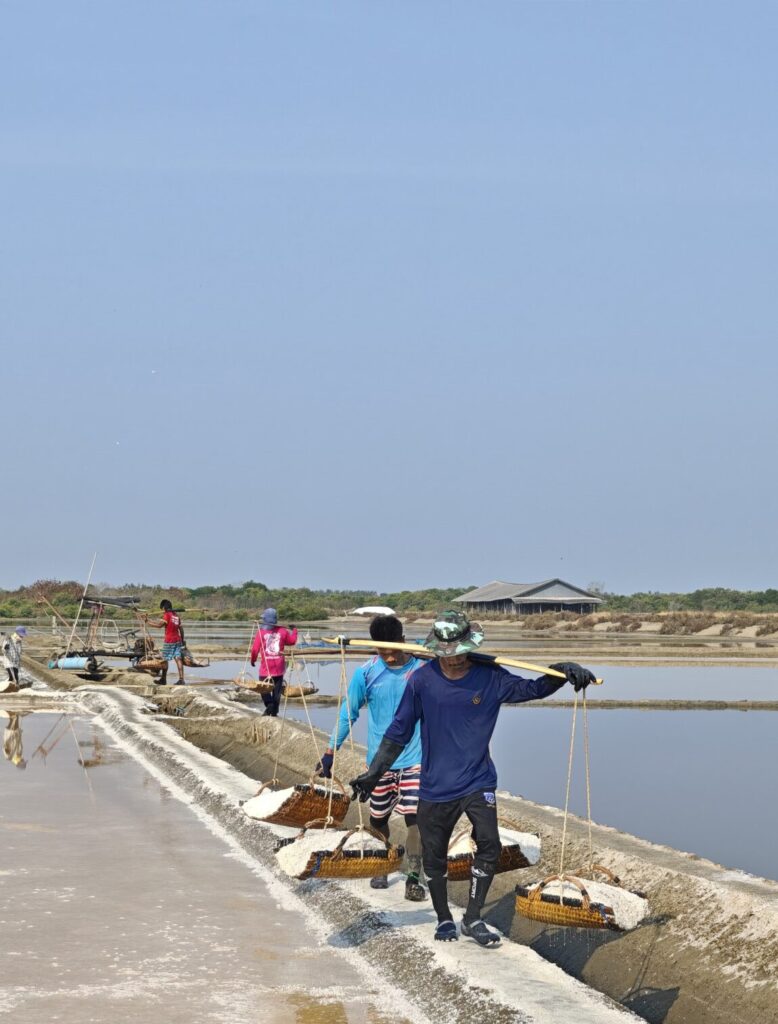
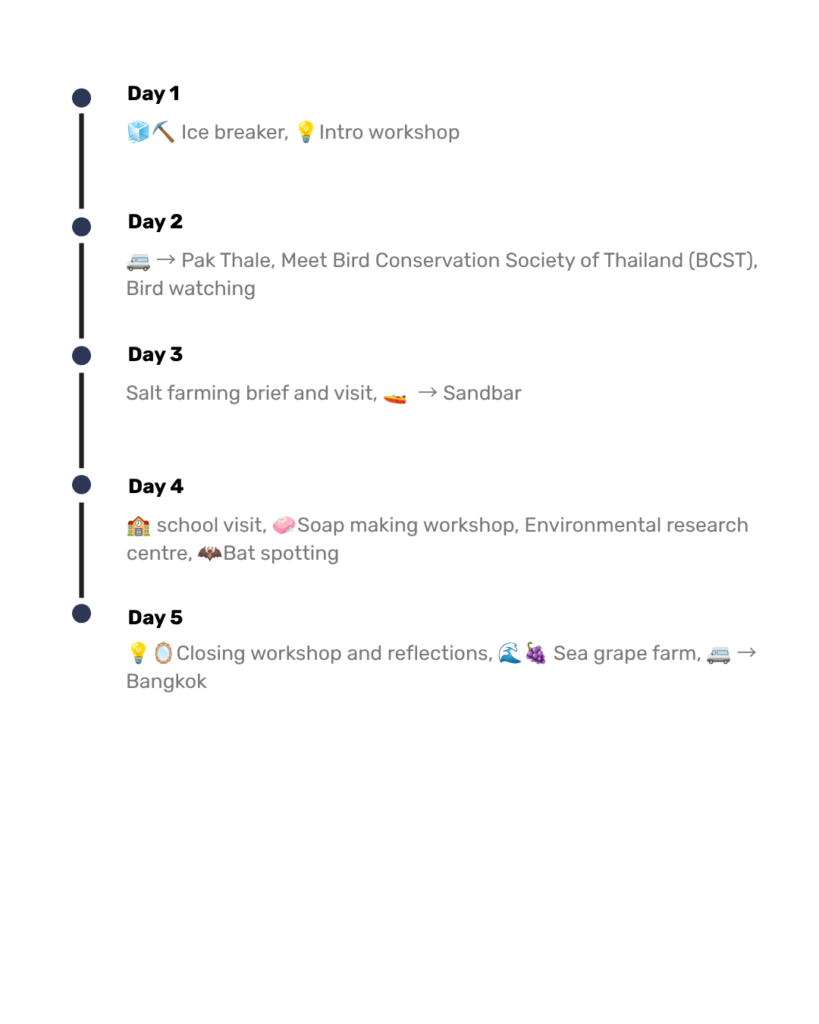
Step into traditional salt farms and hear directly from farmers how centuries‑old practices can be compatible with modern conservation, and efforts to keep this trade alive for livelihoods and the shorebirds.
Sustainability in Practice
Gain insights from the LPB Environmental R&D project (LERD) which restores mangroves and supports biodiversity while treating municipal waste.
Global Flyway in Action
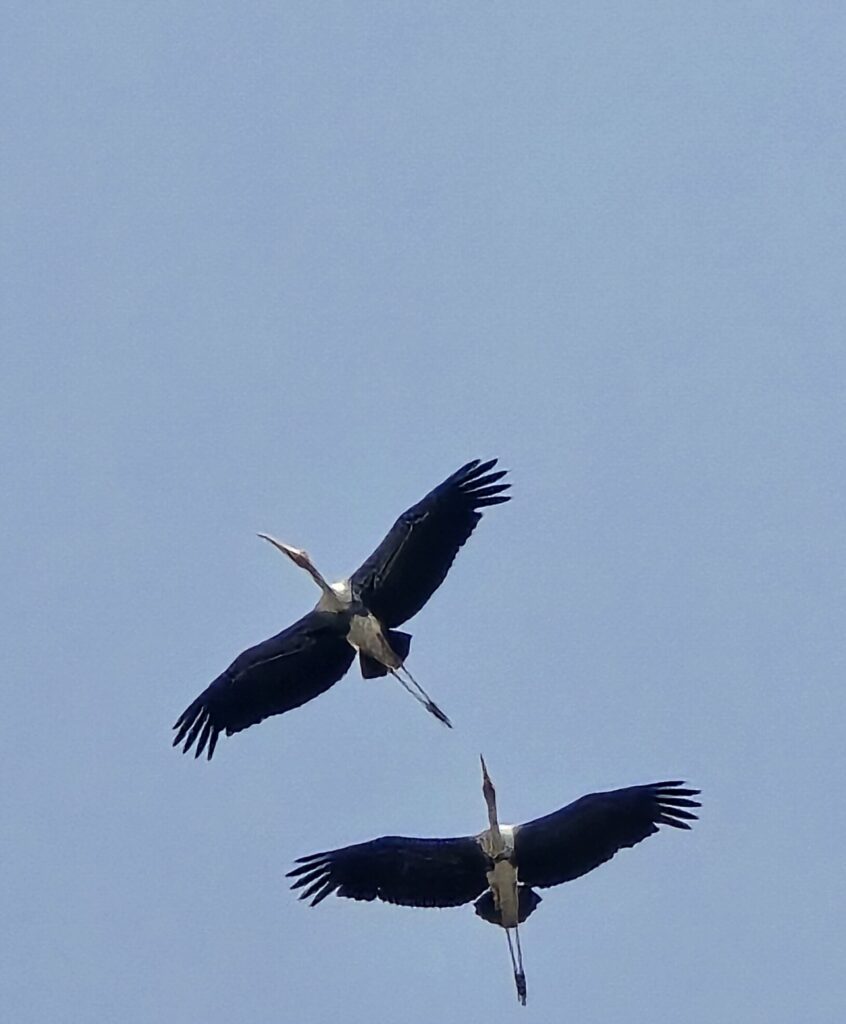
Witness hundreds to thousands of migratory shorebirds at one of the East Asian–Australasian Flyway’s most critical stopovers, and learn how conservation at Pak Thale protects species like the Critically Endangered Spoon‑billed Sandpiper.
Salt to Soap: Community Learning
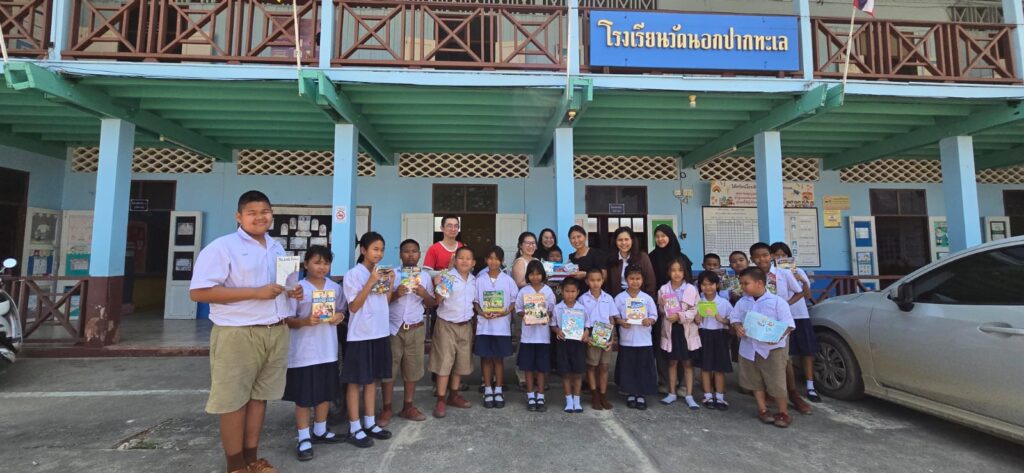
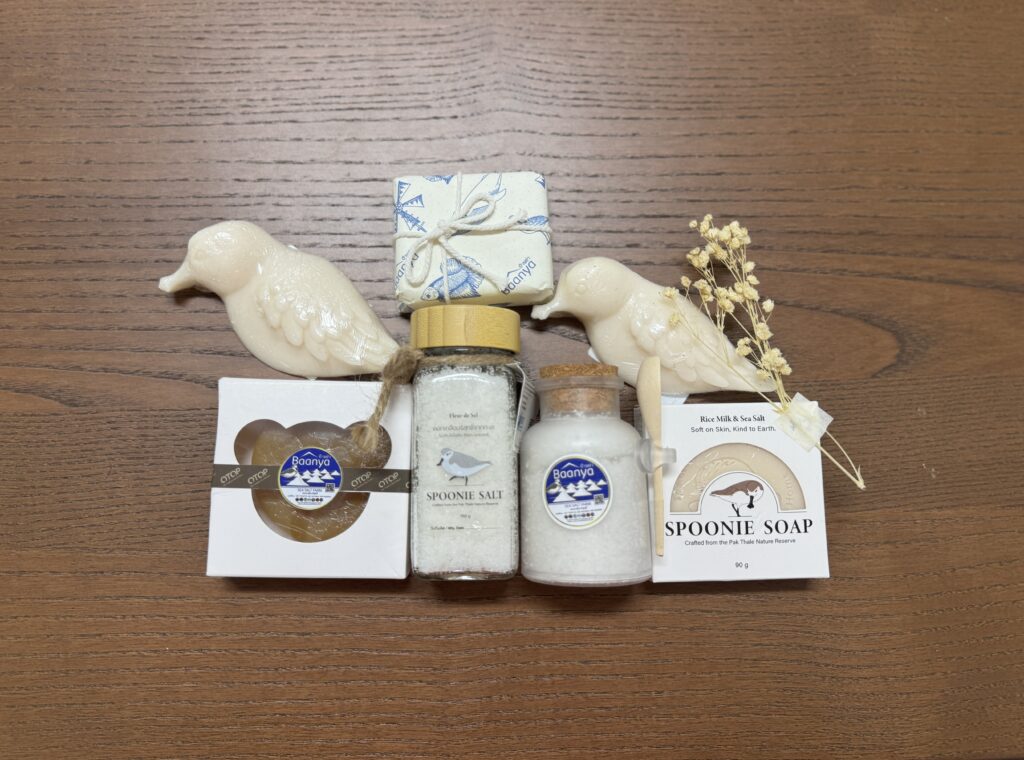
Collaborate with local students in a soap‑making workshop using salt from Pak Thale’s farms. Discover how education, conservation, and livelihoods intersect. Partake in a soap-making workshop with the local community and a school, using Pak Thale’s salt.
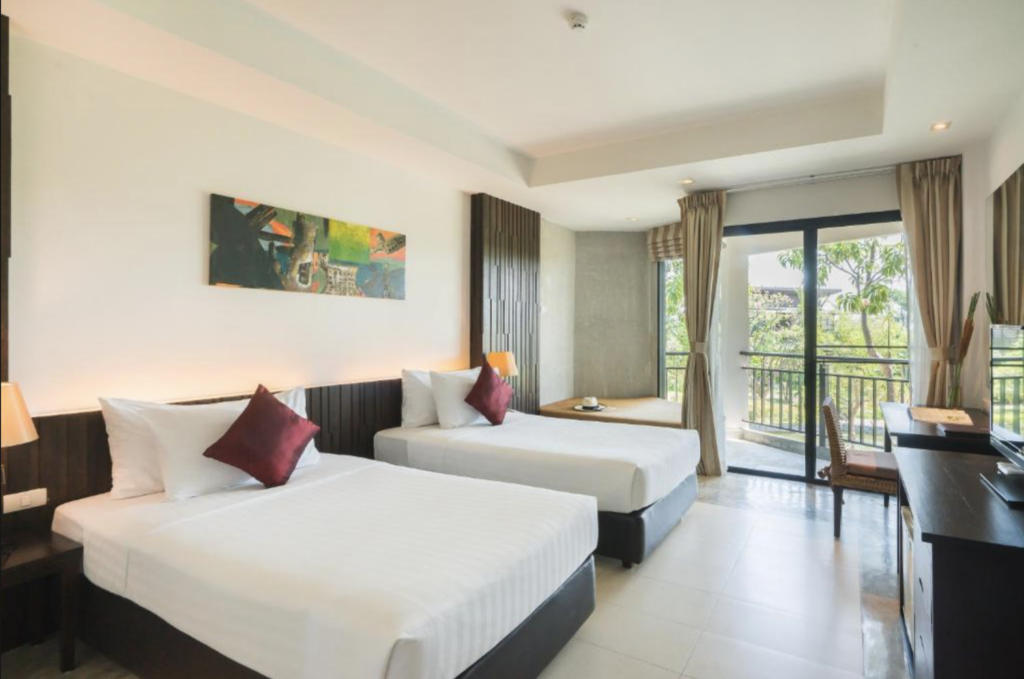
We understand that a comfortable stay is a key part of a conducive learning experience. We have tested and handpicked these accommodations – a mixture of city hotels and resorts . Please refer to the detailed itinerary for the days when you will be staying at the accommodation listed below.